

Crawl Space Repair Before & After Photos
Click on a photo to enlarge.
Clean, dry, and protected: Crawl Space Transformation


We transformed the crawl space into a clean, dry, and healthy area. First, we sealed off the entire space to keep out moisture from the ground and walls, making sure everything was properly fastened and airtight. To help with drainage and add durability, we laid down a protective layer beneath the liner. We also took care of rodent prevention by sealing up the overhangs with wire mesh and insulating the areas to keep the space warmer. The entire crawl space was thoroughly cleaned, old insulation was removed, rodent droppings were hepa vacuumed, and all surfaces were treated for mould and bacteria. We wiped down heating ducts, sewer lines, and got rid of spider webs to leave everything fresh. To keep the space dry long-term, we installed a dehumidifier that helps control humidity levels. Lastly, we added high-quality insulation to the walls and rim joists, sealing up all the seams to boost energy efficiency and ensure the space stays in great shape moving forward.
Cleaned crawlspace in Coquitlam


The client was looking to have some or all of my crawlspace thoroughly cleaned and set up for a more accessible arrangement of storage shelves.
Crawl Space Encapsulation, Cleaning, and Insulation Upgrade in Coquitlam
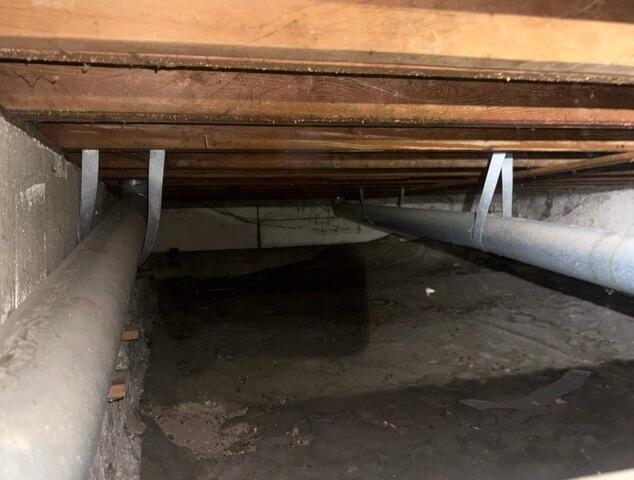
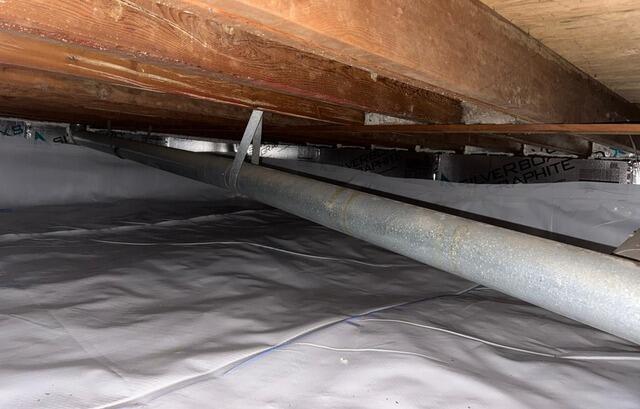
This project focused on turning the crawl space into a clean, dry, and well-protected area. We started with a detailed clean-up, wiping down ducts and sewer lines, removing debris and old materials, and vacuuming surfaces to eliminate dust and rodent droppings. All concrete areas were treated to address contamination and improve overall cleanliness.
A full crawl space liner was then installed and sealed tightly around footings, piers, and along the foundation walls, extending over key areas to create a continuous moisture barrier. A drainage layer was added beneath the liner and up the walls to help manage ground moisture and improve durability.
To complete the upgrade, new insulation was installed along the walls and in the rim joist areas, with all seams carefully sealed to reduce drafts and prevent moisture issues.
These improvements help keep the crawl space dry, cleaner, and more energy-efficient, while protecting the home from moisture and air quality concerns.
Transforming Your Crawl Space Into a Clean, Dry, and Protected Area
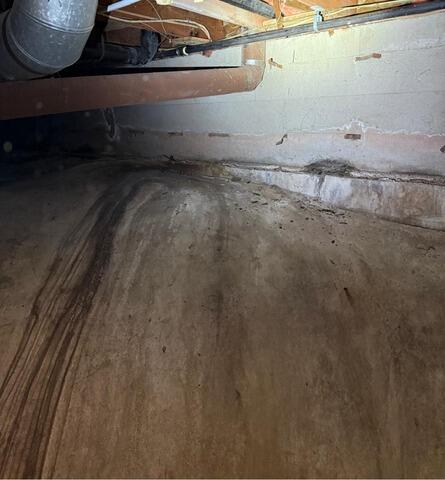
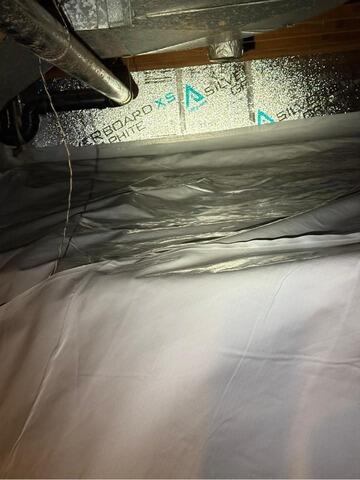
We began by adding a drainage layer under the liner that went across the floor and a few inches up the walls. This gave extra protection against ground moisture, while also making the space more comfortable to use and more durable overall.
After that, we sealed the crawl space with a liner that was carefully fastened and air-sealed around the footings, piers, and near the top of the foundation walls. Where insulation was already in place, we finished the liner neatly in front of it for a clean look.
We then tied the system into the existing plumbing stack and installed a pump system designed to protect the space from water issues. It included an airtight lid, a floor drain, a stand, and even an alarm for added peace of mind.
Finally, we improved the energy efficiency of the space by adding insulation along the walls and rim joists. All seams were sealed tight so no air could sneak through. This insulation is designed to resist moisture and odors, which means the crawl space will stay cleaner, drier, and more comfortable over time.
Creating a Healthier, More Comfortable Crawl Space
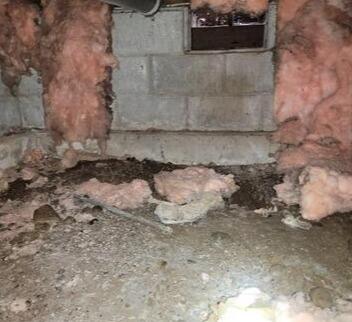
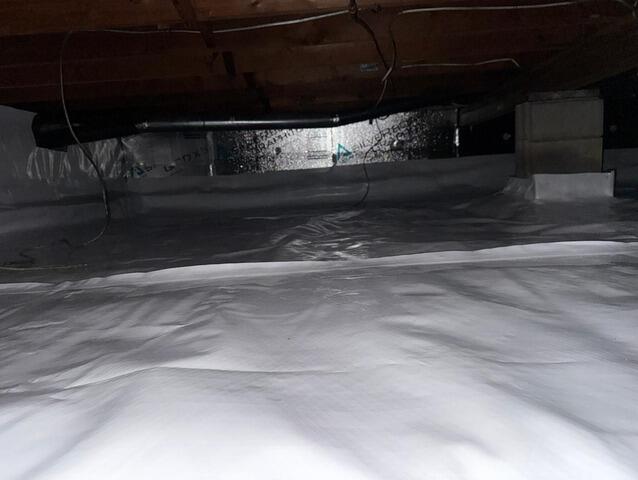
For this project, we turned the crawl space into a clean, dry, and healthier area. We started by installing drainage matting on the floor and partway up the walls to protect against ground moisture and provide a durable surface for storage. We then treated all wood and organic surfaces to prevent mould growth and gave the space a thorough cleaning wiping down ducts, removing spider webs, and clearing loose debris.
To improve comfort and energy efficiency, we added rigid insulation to the walls and rim joists, sealing all seams and gaps to stop air leaks. Finally, we fully encapsulated the crawl space with a heavy-duty liner, fastening and sealing it to the walls, footings, and piers. This creates a sealed barrier that helps keep the area dry, insulated, and protected from moisture and energy loss.
Our Service Area
We serve the following areas
- Abbotsford
- Agassiz
- Aldergrove
- Beaverdell
- Bridesville
- Burnaby
- Cawston
- Chilliwack
- Coquitlam
- Cultus Lake
- Delta
- Deroche
- Dewdney
- East Gate
- Galiano Island
- Grand Forks
- Hedley
- Hope
- Kaleden
- Kelowna
- Keremeos
- Langley
- Lindell Beach
- Mayne Island
- Midway
- Mission
- Mount Baldy
- Naramata
- North Vancouver
- Okanagan Falls
- Oliver
- Osoyoos
- Peachland
- Pender Island
- Penticton
- Port Moody
- Princeton
- Rock Creek
- Rosedale
- Saturna
- Summerland
- Surrey
- Tsawwassen
- Vancouver
- West Vancouver
- Westbridge
- Whistler
- White Rock


 or cash